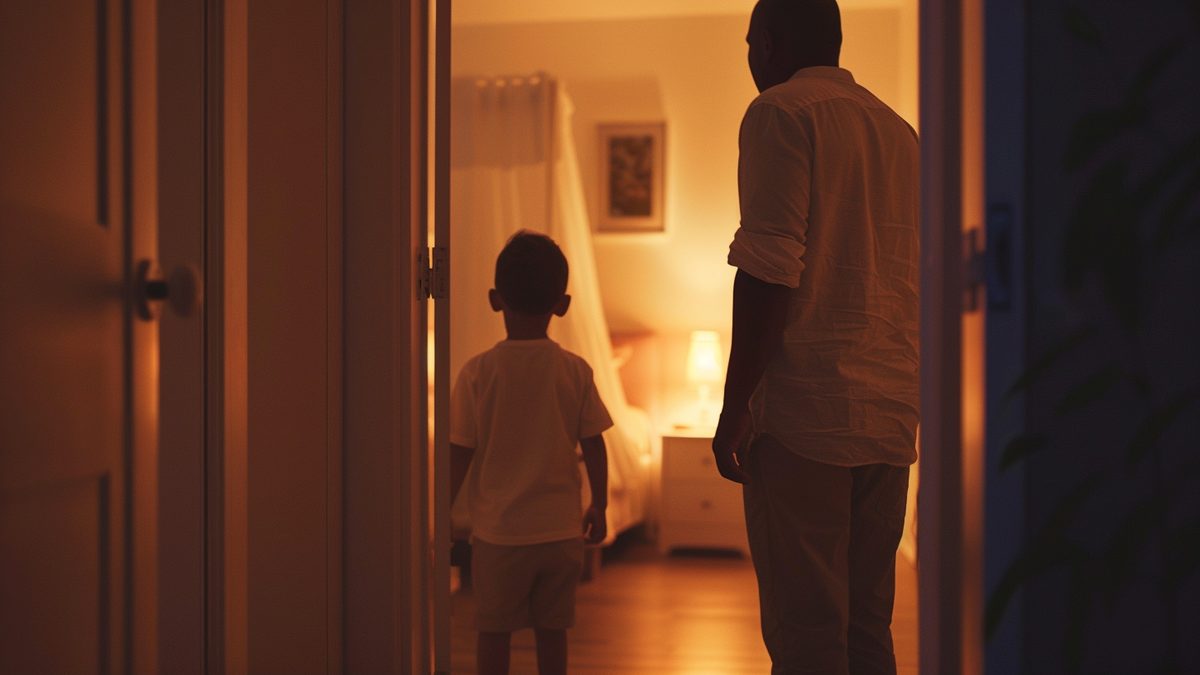
Best Toddler Night Lights That Don't Wake Everyone Up (Dad-Tested, 2026)
Last Updated: March 2026
TL;DR: The best toddler night light is dim, warm (amber-ish), and simple enough to use one-handed at 2:00 AM while you're half-asleep and stepping on a rogue Lego. My top picks below focus on not waking the whole house: low brightness, quick controls, and timers-plus clear pros/cons and which type of family each light fits best.
Before the product picks, I'll show you what actually matters (brightness, color temperature, placement, and kid-proofing) so you don't end up buying an accidental mini-sun for your hallway.
This post contains Amazon affiliate links. As an Amazon Associate, I earn from qualifying purchases at no extra cost to you.
Before You Buy: The "Night Light" Mistakes That Blow Up Bedtime
Here's a parenting truth I learned the hard way: the wrong night light doesn't just "not help." It can actively make nights worse.
I once installed a bright, cool-white plug-in night light in the hallway thinking, "Nice-no more tripping over laundry baskets." Two nights later, my toddler started popping out of bed like a prairie dog every time the hallway lit up. It wasn't fear. It was curiosity. My mistake was basically giving a tiny human a stage spotlight and expecting them to stay in bed.
So if your goal is "help with wake-ups without waking everyone up," you're not shopping for a light. You're shopping for a sleep-friendly cue.
What "doesn't wake everyone up" actually means
- Low brightness: Enough to see feet, not enough to reset a child's brain into "party mode."
- Warm color: Warm/amber light tends to be less stimulating than harsh blue/white light.
- Fast control: No app boot-up, no "where's the button," no 14-tap sequence like you're launching a spaceship.
- Predictable routine: A light that supports your bedtime script (same time, same cue, same calm).
The dad tests I care about (because marketing lies at 2 AM)
- One-handed test: Can I turn it on/off or dim it while holding a kid who suddenly weighs 60 pounds at night?
- Sleep regression test: Does it encourage getting out of bed and wandering... or does it help them settle?
- Diaper change test: Can I see what I'm doing without blasting my own retinas?
- "Kid fiddling" test: If a toddler touches it, does it stay helpful-or become a toy?
Quick checklist: pick the right kind of night light for your situation
- Nursery / toddler room: dimmable + warm + stable (not easily thrown).
- Hallway / bathroom trips: motion-sensing can be great... if it's dim and aimed low.
- Sleep training / routines: time-to-rise style lights work best when you're consistent.
- Travel: rechargeable, portable, and not fragile.
Best Toddler Night Lights (2026 Picks)
These picks cover the most common dad problems: overnight diaper changes, bathroom trips, "I'm thirsty" requests, and that inevitable "I can't find my stuffed dinosaur" emergency that somehow cannot wait until morning.
Hatch Rest (1st Gen) - Best for Routines + "Stay in Bed" Training
If you want one device that can be a night light and part of a bedtime routine, the Hatch Rest is a strong "dad sanity" buy. It's not the cheapest option, but it's the best when your goal is consistency: same glow, same sound, same expectation every night.
Pros
- Great for consistent bedtime routines (light + sound + cues)
- Helps with "OK to wake" behavior when you use it the same way every day
- Useful beyond toddler years (quiet reading light, wake-up cue)
Cons
- More expensive than simple plug-ins
- Setup takes a little patience (worth it, but not instant)
- If you constantly change settings, it becomes noise instead of a cue
Who should buy it
- Buy this if: you want a bedtime routine tool and you're willing to be consistent.
- Skip this if: you just need a cheap hallway light to avoid stepping on Matchbox cars.
JolyWell Rechargeable "Egg" Night Light - Best Portable Bedside Pick
This is the style of night light I end up reaching for the most: a portable, rechargeable light you can move around like a flashlight... but softer. The best part is you can keep it near the bed, use it for diaper changes, then set it back down without lighting up the entire room.
Pros
- Portable for bed, couch, travel, or camping in the living room
- Gentle light that's less likely to fully wake a toddler
- Easy to keep near you for late-night room checks
Cons
- Anything portable can become a toddler toy (and disappear)
- Needs charging (which you will forget until the worst moment)
- Kids may want to carry it everywhere like it's a pet
Who should buy it
- Buy this if: you want the simplest "2 AM helper light" with minimal fuss.
- Skip this if: your kid is in a "throwing objects" phase and you need something mounted/plugged in.
GE Motion-Sensing Plug-In Night Light - Best for Hallways + Bathroom Trips
Motion-sensing night lights are either amazing or a disaster. The difference is placement and brightness. In a hallway, a gentle motion light saves you from turning on the main lights. But if it's too bright, it becomes the toddler's personal "I'm awake!" announcement system.
Pros
- Hands-free light for hallway/bathroom routes
- Cheap, simple, and doesn't require maintenance
- Great for parents too (nighttime water runs)
Cons
- Motion lights can trigger on pets (hello, cat) depending on placement
- If it's too bright in your space, it may encourage "wander time"
- Plug-in means it takes an outlet (and outlets are already a war zone)
Dad tip: how to use motion lights without wrecking sleep
- Place it low (lower outlet) and aim for floor-level guidance.
- If your kid is a wandering champion, keep motion lights out of the bedroom and only in the hallway/bathroom path.
GE CoverLite LED Night Light - Best "Set It and Forget It" Bedroom Plug-In
This style is the opposite of fancy: a simple plug-in light with a clean footprint. If you want a small, consistent glow that helps kids orient themselves without inviting them to play with the settings, basic is sometimes best.
Pros
- Simple plug-in design (no batteries, no "where did the charger go?")
- Less tempting for kids who love buttons
- Good for a consistent, low-stimulation glow
Cons
- No portability
- Not a "routine trainer" like time-to-rise lights
- If your outlet is behind furniture, it's annoying to reposition
Who should buy it
- Buy this if: you want cheap, stable, and boring (boring is good at night).
- Skip this if: you need something you can carry to the bathroom or on trips.
Philips Dusk-to-Dawn LED Bulb - Best "Cheapest Win" for Kids Who Need a Hallway Lamp
Not every "night light solution" needs to be a dedicated night light. If you already use a small lamp in the hallway or bathroom, a dusk-to-dawn bulb can keep lighting consistent without you touching a switch. The key is using it in a lamp with a shade so it's not shining straight into everyone's faces.
Pros
- Very low effort if you already have a lamp
- Consistent light without switches or apps
- Useful for parents too (late-night kitchen trips)
Cons
- Not portable
- Depends on your lamp placement (can be too bright if uncovered)
- Not a "kid routine" tool-just a practical lighting fix
Dad setup rule
- Use a lamp with a shade and aim it away from bedrooms. You're going for glow, not interrogation lighting.
Decision Scenarios: What You Should Buy (and Why)
- If your kid wakes early and leaves the room: start with the Hatch Rest and use it as an "OK to wake" cue. You're trying to teach behavior, not just light the room.
- If you're doing nighttime diaper changes or comfort checks: get the portable egg-style rechargeable light (JolyWell). It's the lowest-friction tool for parents.
- If the problem is hallway/bathroom navigation: add a motion-sensing plug-in (GE) low on the wall so it guides feet without blasting faces.
- If your kid is anxious in a dark room but gets overstimulated easily: use a simple plug-in glow (CoverLite). "Boring light" beats "fun light" for most kids who struggle to settle.
- If you already have a lamp and just need a consistent soft glow: swap to a dusk-to-dawn bulb and call it a win.
How to Place a Night Light (So It Helps Sleep Instead of Wrecking It)
The placement matters almost as much as the product. Here are the rules I follow now:
- Keep it low: floor-level light helps navigation without flooding the room.
- Avoid line-of-sight to the bed: if the light shines directly at the child's eyes, it's harder to fall back asleep.
- Pick one setting and stick with it: changing colors/brightness constantly turns it into entertainment.
- Pair it with a routine cue: if you're already working on bedtime, see our 15-minute bedtime routine and the guide on screen time before bed.
Alternatives + Cheaper Options (When You Don't Need Another Device)
- Red/amber bulb in a small lamp: great if you already have a lamp and want softer light with less stimulation.
- Battery puck lights: fine for closets and under-bed lighting-just don't put the remote where your toddler will "help."
- Night light on a timer outlet: a low-tech way to control when light is available (and when it isn't).
FAQ: Toddler Night Lights
Should a toddler sleep with a night light?
Some toddlers do better with a small, warm glow-especially if they're in a new room or going through a fear-of-the-dark phase. The key is keeping it dim and consistent so it becomes background, not stimulation.
What color night light is best for toddlers?
Warm/amber tones are usually the safest bet if your goal is "don't wake the whole house." Cool blue/white light is more likely to feel like daytime and trigger full wakefulness.
Will a night light cause early waking?
It can, if it's too bright or placed where it shines into the bed. If your kid starts waking earlier after adding a light, dim it, move it lower, or switch to a warmer color.
Is a motion-sensing night light good for toddlers?
In hallways and bathrooms: yes, usually. In the bedroom: it depends. If motion triggers the light when they roll over or when a pet walks by, it can turn into a wake-up machine.
What if my toddler plays with the night light?
Then you need either a boring plug-in glow (less "toy energy"), or you put the portable light out of reach and only bring it in for nighttime checks. Toddlers will play with anything that lights up. That's not a design flaw. That's Tuesday.
Affiliate Disclosure: This site contains affiliate links. As an Amazon Associate, I earn from qualifying purchases at no extra cost to you.
More dad-tested reading: Dad Gear Reviews | Toddler won't stay in bed | Dad morning system