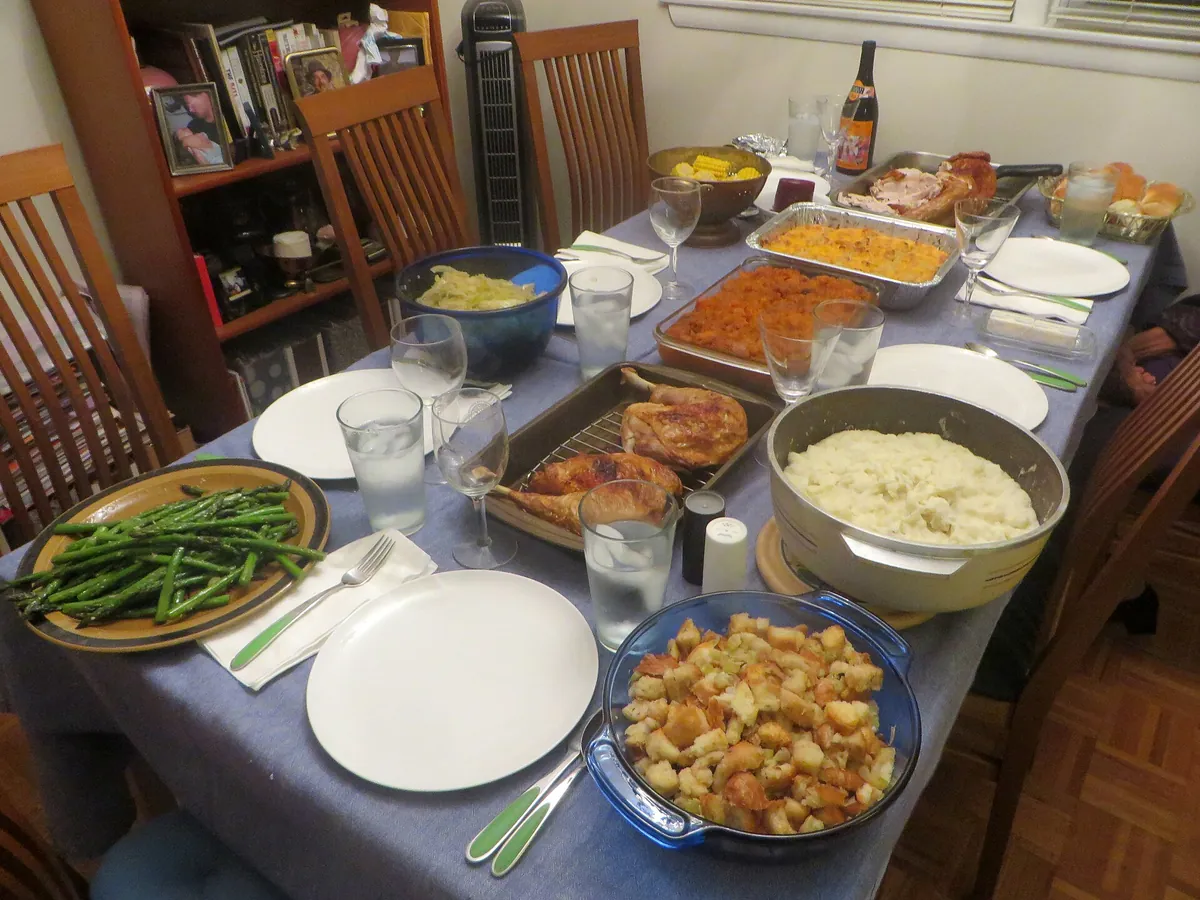
Surviving Thanksgiving With Toddlers: A Dad's Playbook
Here's the honest goal for Thanksgiving with a toddler: everyone eats something, nobody leaves crying for more than ten minutes, and you still like your in-laws on Friday. That's it. The Norman Rockwell version, where a two-year-old sits politely through a 90-minute meal, is not on the menu.
These thanksgiving with toddlers tips are the ones that actually move the needle: protect the nap like it's the turkey, hand relatives a script before they need one, build a plate that won't send anyone to urgent care, and plan the drive home before you leave the house. Thanksgiving lands on November 26 this year, so you've got time to set most of this up.
Should You Skip the Nap on Thanksgiving?
Short answer: no, but you can bend it. A toddler who skips a nap entirely will often hold it together until about the moment the pie comes out, and then fall apart in a way the whole table will discuss for years.
You've got three realistic options, depending on when dinner is and how far you're driving:
| Dinner time | Nap plan | Why it works |
|---|---|---|
| Early afternoon (1 to 3 PM) | Nap at home before you leave, arrive late | Kid shows up rested; you skip the pre-meal chaos |
| Late afternoon (4 to 6 PM) | Nap at the host's house in a quiet room | Normal nap window stays intact |
| Long drive (2+ hours) | Time departure so the nap happens in the car | Car seat does the work; you get quiet miles |
| Evening meal, staying late | Normal nap, then pajamas before dessert | Easy transfer to the car seat and bed later |
If you're napping at someone else's house, bring the sleep cues from home: the same sleep sack, the lovey, and a sound machine. A portable one makes a strange guest room sound like the nursery, and our white noise machine guide covers the travel-sized options. If you already own a travel monitor, pack it so you can actually sit down at the table; the travel baby monitor roundup has ones that don't need the host's Wi-Fi.
How Do You Handle Relatives Who Push Food, Hugs, or Opinions?
This is the part nobody prepares for. Most relatives mean well. They also want to give your kid a third roll, demand a hug from a toddler who just met them, or explain how "we never had naps and we turned out fine."
The trick is to decide your lines with your partner before you walk in, so you're backing each other up instead of improvising. Pick two or three things that actually matter (nap, choking-risk foods, forced affection) and let everything else slide. Your kid eating nothing but mashed potatoes for one day is fine.
Toddlers do better with new faces when you warn them ahead of time. ZERO TO THREE suggests helping kids anticipate unfamiliar people before a gathering, so look at photos of the relatives on the drive over and say who'll be there.
To a relative pushing a hug: "She's warming up. Want a high five, Grandpa? Or a wave?"
To someone offering a food you're avoiding: "Thanks! We're skipping nuts until she's older. She'd love some of the sweet potatoes, though."
To the nap skeptic: "Totally, and if she skips it, you're on bedtime duty." (Said with a smile. Mostly.)
Giving the relative something they can do (a high five, a different food, reading a book) works better than a flat no. And if things get heated, step outside with your kid for five minutes. That's a reset for both of you, not a defeat. For bigger blowups, our toddler tantrum survival guide covers what to do when the meltdown happens in front of an audience.
What Thanksgiving Foods Are Choking Hazards for Toddlers?
The Thanksgiving table is basically a choking-hazard buffet if you're under four. The CDC's choking hazards list includes several holiday regulars. Here's how the classic spread breaks down:
| Usually OK (prepared right) | Watch out | How to fix it |
|---|---|---|
| Mashed potatoes | Whole grapes in a fruit salad | Cut into small pieces or skip |
| Sweet potatoes, soft-cooked | Nuts on the sweet potato casserole | Scoop from the nut-free edge |
| Shredded turkey, small pieces | Big chunks of turkey or ham | Shred finely, add gravy for moisture |
| Soft-cooked green beans | Raw veggie tray (carrots, celery) | Offer the cooked version instead |
| Soft rolls, torn small | Marshmallows, hard candy, popcorn | Keep the candy dish up high |
| Cranberry sauce | Whole corn kernels, chips, pretzels | Mash corn or skip it |
Two more from the American Academy of Pediatrics holiday kitchen tips: keep hot dishes away from the edges of counters and tables, and clear the table right after the meal, because toddlers can choke on leftovers or get into abandoned drinks. That second one is the sneaky danger. Everyone drifts to the couch after dinner, and the half-finished wine glasses and pie plates sit at exactly toddler height.
How Do You Keep a Toddler Busy During Thanksgiving Dinner?
Accept that a toddler will sit at the table for about as long as their attention span allows, which is roughly ten to fifteen minutes if you're lucky. Plan for the other 75.
- Feed them first. Give a small, toddler-safe plate 20 minutes before the adults sit down. A hungry toddler waiting on a carving ceremony is a ticking clock.
- Bring a "table bag." Two or three quiet activities that come out only when they start squirming. No markers on Grandma's tablecloth.
- Give them a job. Carrying napkins to each seat or "counting" the rolls makes them part of it. ZERO TO THREE suggests involving kids in holiday errands, like hunting for items at the grocery store.
- Release valve. When they're done, let them be done. One parent takes the first shift off the table, the other takes the second. Trade so you both get to eat a warm plate.
The table bag is where the no-mess car activities earn their keep a second time. Anything that works in a car seat works at a dinner table: it's contained, it's quiet, and it doesn't leave crayon on the linen. Our full list of no-mess car activities for toddlers doubles as a Thanksgiving table kit. The top pick there is also the easiest one to toss in the bag:

1. Melissa & Doug Water Wow! Vehicles: Best Table Bag Activity
- 4 reusable coloring boards with a refillable water pen
- Pictures appear when wet and fade as they dry
- No ink, no paint, nothing to stain a tablecloth
- Labeled ages 3 and up
It's water. That's the whole appeal. Draw on the page, the picture shows up, it dries, and the page resets for the next round. The worst case at a dinner table is a slightly damp placemat. The two real gripes: the pen cap is easy to lose (tie it on with a short string), and kids who want "real" colors can lose interest, so pair it with one other activity. It's labeled 3 and up, so for a younger two-year-old, sit right next to them.
- Zero-mess at a nice table
- Pages reuse indefinitely
- Flat and light for a diaper bag
- Pen cap is easy to lose
- Only four pages, so novelty fades
Childproofing Someone Else's House in 10 Minutes
Grandma's house was not built for a toddler, and it's not your house to rearrange. But you can do a fast sweep when you arrive. HealthyChildren.org's guide for grandparents is a good checklist to borrow:
- Purses and coats. Guests' bags often hold medications. Ask the host for one closed room where all the bags go.
- Medicine on the counter. Pills, inhalers, and vitamins belong out of sight and out of reach, ideally locked.
- Stairs. If there's no gate, someone is on stair duty. Assign it out loud.
- Hot stuff. Pot handles turned toward the back of the stove, hot dishes away from the table edge.
Save the Poison Help number in your phone before you leave: 1-800-222-1222. It's free, confidential, and answered 24 hours a day. You will almost certainly never call it. That's the point of saving it.
Your Thanksgiving Day Timeline With a Toddler
Here's a sample for a 4 PM dinner about an hour away. Slide the times to fit yours.
- Morning: big breakfast and outside time. A tired-from-playing toddler is a toddler who naps.
- 12:30 PM: nap at home (or leave now if they nap in the car).
- 2:30 PM: snack, diaper change, load the car. Table bag and a change of clothes go in the diaper bag.
- 3:30 PM: arrive, do the 10-minute childproofing sweep, let them warm up to the crowd from your lap.
- 3:45 PM: toddler eats their plate before the adults sit down.
- 4:00 PM: adult dinner. Table bag comes out at the first squirm. Parents trade shifts.
- 6:30 PM: pajamas on before you leave, so the transfer from car seat to crib is one step.
Planning the Drive Home After Thanksgiving Dinner
The drive home is where a good day goes to die. It's dark, everyone's full, and the kid is either wired on pie or asleep at the worst possible moment (five minutes from home, naturally).
Do three things. First, leave before you're tired; "one more cup of coffee" is how you end up driving at 10 PM with a screaming backseat. Second, put them in pajamas and a fresh diaper before you buckle up. Third, keep one quiet activity within reach of the car seat for the first 20 minutes, then turn the lights and music down and let them drift off.
If you're driving a few hours, plan your stops before you leave. Our guide to road trips with a kid who has to pee every 20 minutes has the stop-planning system, and the no-mess car activity picks cover the hours they're awake.
Frequently Asked Questions
Should my toddler nap on Thanksgiving?
Yes, in most cases. A skipped nap tends to show up as a meltdown right around dessert. Either nap at home and arrive late, nap at the host's house in a quiet room with familiar sleep cues, or time the drive so they sleep in the car.
What Thanksgiving foods should toddlers avoid?
The CDC lists whole grapes, nuts, popcorn, raw hard vegetables, large chunks of meat, whole corn kernels, marshmallows, and hard candy among choking hazards for young kids. Cut, mash, or skip those, and offer soft foods like mashed potatoes, finely shredded turkey, and soft-cooked vegetables.
How do I tell relatives not to force hugs on my toddler?
Offer an alternative instead of a flat no: "He's warming up, want a high five or a wave?" Agree on it with your partner beforehand so you're backing each other up, and give the relative another way to connect, like reading a book together later.
How long will a toddler sit at the Thanksgiving table?
Plan on about 10 to 15 minutes. Feed them before the adults sit down, bring a few quiet activities that come out only at the table, and let one parent take them away from the table while the other eats, then switch.
The Short Version
- Protect the nap: nap at home and arrive late, nap at the host's house with familiar sleep cues, or time a 2+ hour drive around it.
- Feed your toddler a safe plate about 20 minutes before the adult meal, and expect 10 to 15 minutes of sitting, not 90.
- Cut or skip CDC-listed choking hazards like whole grapes, nuts, popcorn, marshmallows, and big meat chunks.
- The AAP says to clear the table right after the meal, since toddlers can choke on leftovers or reach leftover drinks.
- Put guests' bags in a closed room, and save Poison Help (1-800-222-1222) in your phone before you leave.
- Pajamas and a fresh diaper go on before the drive home, so the car-seat-to-crib transfer is one step.
Sources and Further Reading
- CDC: Choking Hazards
- AAP: 10 Tips on Keeping Holiday Kitchen Prep Safe
- HealthyChildren.org: Ways to Keep Kids Safe and Healthy During the Winter Holidays
- HealthyChildren.org: Keeping Your Grandchild Safe in Your Home
- ZERO TO THREE: Steps to Ensure Your Child Is Ready for Thanksgiving Fun
- Poison Help: 1-800-222-1222
The Real Goal for Thanksgiving With Toddlers
The best thanksgiving with toddlers tips all come down to the same thing: lower the bar, then plan for the parts you can control. Protect the nap, make a safe plate, hand the relatives a script, and leave before you're running on fumes. Your kid won't remember this Thanksgiving. You'll remember whether you got to eat your food warm. Aim for that.
Affiliate + Accuracy Disclosure
Product specs, pricing, and availability can change. Please verify current details on Amazon before buying. Recommendations are based on published specs, owner feedback, and practical dad-focused research, not hands-on lab testing. As an Amazon Associate, I earn from qualifying purchases.